Industries / Ports & Materials Handling
MackayBowen BasinCentral Queensland

Electrical & Automation Engineering for Ports and Materials Handling

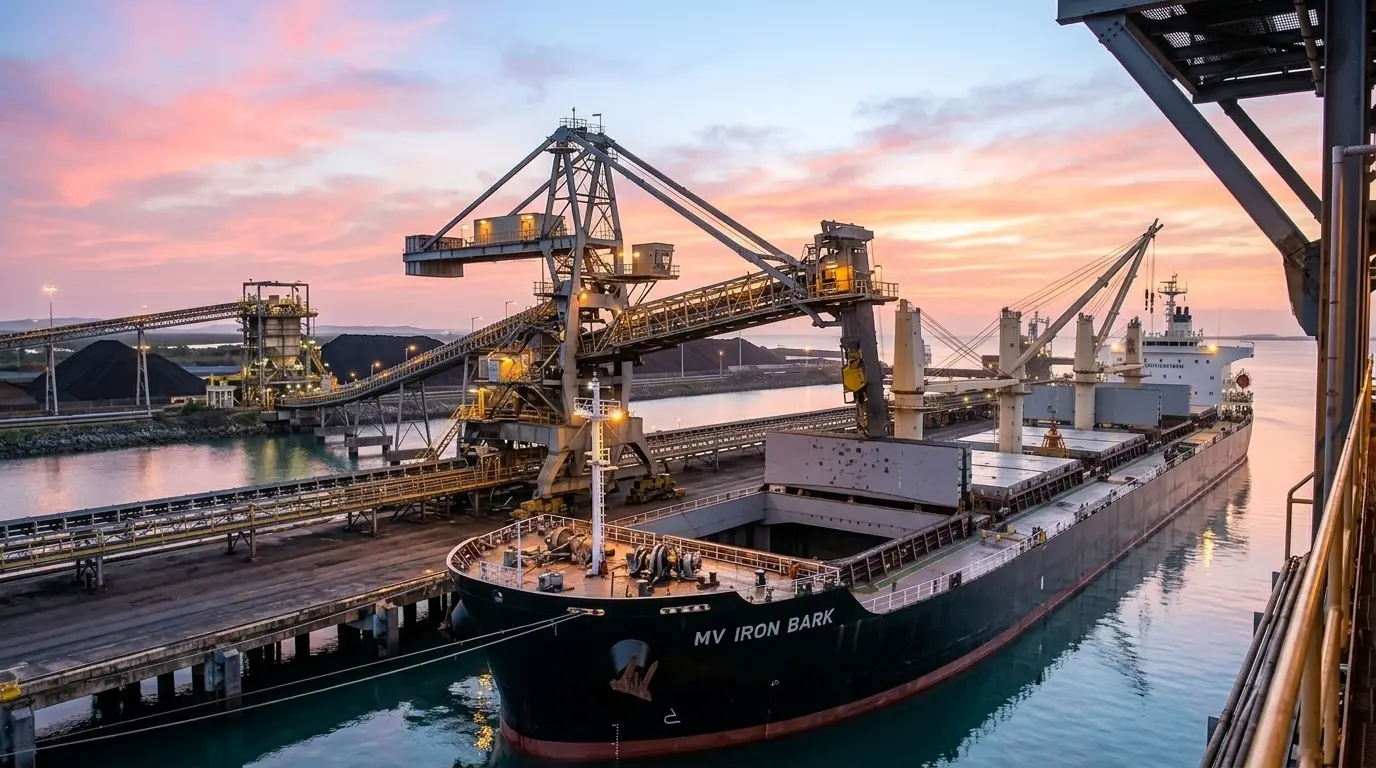
Beetle Engineering supports ports, bulk terminals, and materials handling operations with electrical engineering, PLC programming, conveyor control systems, and fault finding. We work on the automation and control systems that move bulk commodities from receival through to ship loading, and the plant that keeps that movement running continuously.

Ports & Materials Handling
What we see on ports & materials handling sites
  • Complex conveyor interlock systems where a single protection trip cascades across multiple machines, and finding the root cause quickly under operational pressure is critical.
  • Continuous throughput requirements where unplanned downtime on conveyor, stacker, reclaimer, or shiploader has an immediate and measurable cost per hour.
  • Aging conveyor control systems with limited spare parts, incomplete documentation, and control logic that has been modified in the field without records.
  • Dust, vibration, and weather exposure that accelerates wear on electrical and control equipment across large outdoor installations.
  • Integration between bulk handling equipment from multiple OEMs - conveyors, stackers, reclaimers, shiploaders, and weighing systems - that do not always communicate cleanly.
  • Belt weigher, level measurement, and instrumentation systems that require calibration and maintenance to maintain accurate commodity tracking and loading data.
How we help

Engineering for bulk handling reliability

A port or bulk terminal that is not moving commodity is not generating revenue. Conveyor systems, stackers, reclaimers, and shiploaders are designed for continuous operation, and when they stop unexpectedly the pressure to get them running again is immediate.

Bulk handling control systems are complex. Conveyor interlock logic protects equipment and personnel, but it also means that a single protection trip can stop multiple machines across an entire system. Diagnosing the root cause quickly - under operational pressure, on equipment that may have incomplete documentation and undocumented modifications - requires both technical knowledge and methodical fault-finding process.

What we do in ports and materials handling

Our work in ports and bulk terminals covers PLC programming and upgrades on conveyor and bulk handling systems, SCADA for terminal-wide monitoring and control, fault finding and support, and shutdown work for planned maintenance and upgrade periods.

Conveyor control upgrades are a significant part of our work. Replacing aging relay logic, obsolete PLCs, or end-of-life hardware with modern control systems requires careful engineering - the interlock logic has to be understood completely before it is rewritten, and the cutover from old to new has to be managed without creating new risk. We approach these projects systematically and test thoroughly before handing over to operations.

Shiploader automation is a specialist area within our ports work. Positioning systems, drive controls, load rate management, and integration with vessel planning and loading management systems require specific knowledge of the equipment and the operational process. We have experience across multiple shiploader platforms and control system generations.

Integration across OEM equipment

Bulk handling terminals typically include equipment from multiple manufacturers - conveyors from one supplier, a stacker-reclaimer from another, a shiploader from a third. Getting these systems to communicate cleanly, share interlocks, and present a coherent picture to the SCADA operator requires integration work that OEM commissioning teams do not always complete.

We design and implement integration between disparate systems using industrial communications protocols - Ethernet/IP, Modbus, Profibus, and OPC-UA - and ensure that the integrated system behaves correctly across all operating modes, including fault conditions and equipment transitions.

Platforms found across ports & materials handling sites

Platforms we work with

Rockwell Automation
Siemens
Schneider Electric
AVEVA
Ignition
FAQ

Common questions about our ports & materials handling work.

Yes. Conveyor control upgrades - from aging relay logic or obsolete PLCs to modern ControlLogix or S7 systems - are a regular part of our work. We design the replacement system, write the control logic, manage the installation and cutover, and commission and test through the full range of operating conditions before handing over to site operations.
Yes. We respond to unplanned faults on bulk handling equipment. A conveyor that will not start after a protection trip, a PLC that has lost its program, a communications failure between the control system and the shiploader - these are faults we diagnose and resolve. We are based in Mackay with access to Central Queensland port and terminal sites.
Yes. Shiploader control and automation - including positioning, slewing and luffing drives, load rate control, and integration with vessel planning and loading management systems - is within our scope. We work on both fault diagnosis and modification of existing systems, and design of new or replacement automation for shiploader upgrades.
Yes. Accurate commodity tracking through a bulk terminal depends on calibrated instrumentation and control systems that capture, record, and report weigher data correctly. We work on belt weigher integration into PLC and SCADA systems, instrument calibration support, and data reporting that meets port and shipping requirements.

Working in ports & materials handling? Let's talk.

We support ports & materials handling operations across Mackay, the Bowen Basin and Central Queensland. Get in touch to discuss your project.