
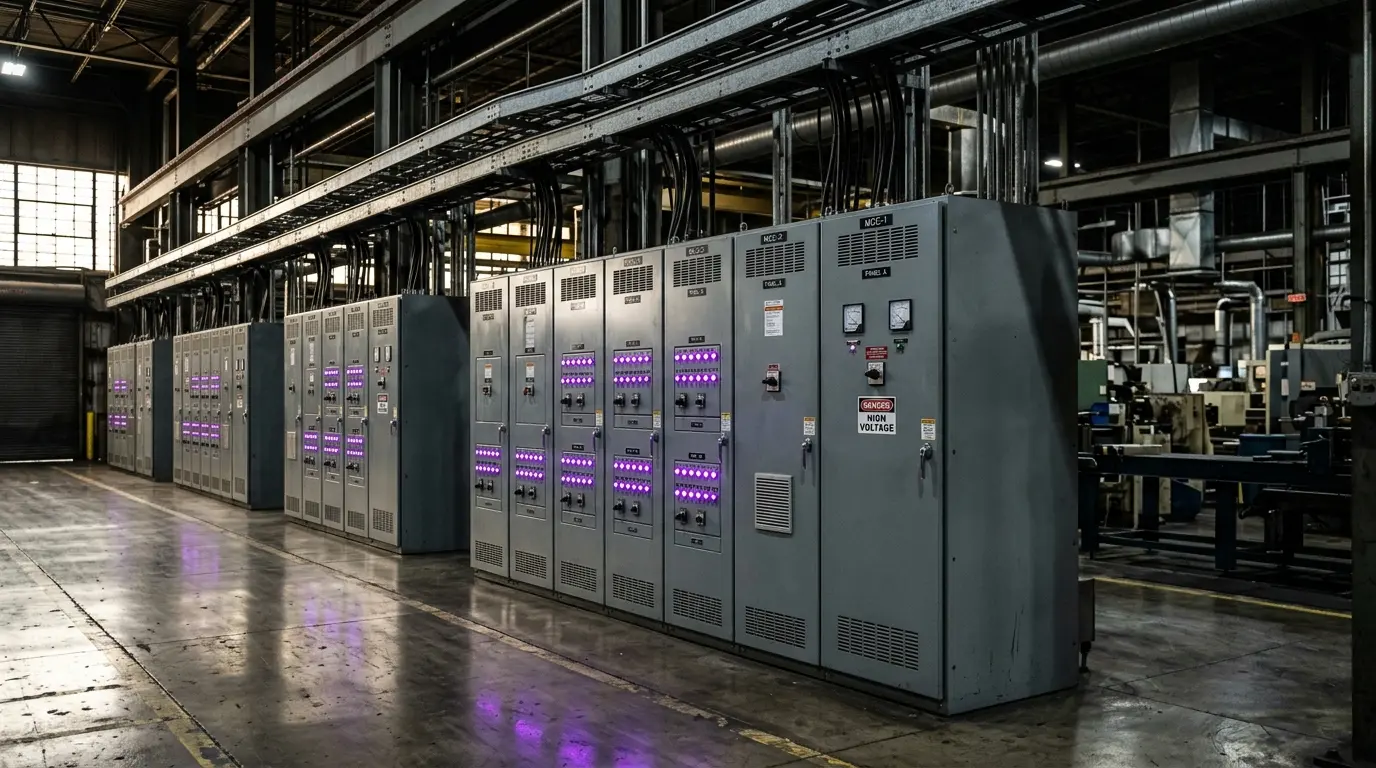
What RPEQ registration means for your project
In Queensland, Registered Professional Engineer (RPEQ) status is a legal credential under the Professional Engineers Act 2002. An RPEQ takes personal professional responsibility for their engineering decisions - not just the business, but the individual engineer whose name is on the documentation.
For you as a client, that matters. When Beetle Engineering provides RPEQ services, Dennis Murphy’s registration number is on the drawings. That’s accountability you can point to.
What we provide under RPEQ registration
Our RPEQ electrical engineering services cover the full range of work that requires a registered engineer on industrial projects:
Engineering design and documentation - electrical design for new installations, upgrades and expansions. We produce designs that comply with AS/NZS standards, are buildable, and include the documentation your maintenance team needs to work from.
RPEQ certification and sign-off - where your project requires an RPEQ certificate of design or engineering assessment, we provide it. This includes written statements that meet the requirements of Queensland legislation and most principal contractor quality systems.
Protection relay design - overcurrent, earth fault, and differential protection schemes for MV and HV electrical systems. We design to current network standards and coordinate with your relevant network service provider where required.
Engineering assessments - independent technical reviews of existing systems, proposed designs, or post-incident investigations. Useful when a second opinion is needed before a project proceeds or when a regulator or insurer requires an independent assessment.
High-voltage systems - transformer installations, HV switchgear, cable systems and associated protection. We work on the HV assets that keep processing plants running.
Typical projects
Most of our RPEQ work comes from three situations:
First, new installations where RPEQ design documentation is required by the principal contractor or site standards. Mining operations in particular commonly require RPEQ engineering packages before construction can commence.
Second, legacy system assessments where older electrical infrastructure needs an engineering review before being extended, modified or handed to a new operator. This is common in sugar mills and older manufacturing plants where original design documentation no longer exists.
Third, incident response - post-fault engineering assessments where a business needs an independent technical view of what failed and why before restarting or making insurance claims.
Standards and compliance
All electrical engineering work is carried out to current Australian Standards including AS/NZS 3000, AS/NZS 61439, and relevant IEC and IEEE standards for protection systems. We keep current with Queensland network standards and work within the requirements of the Electrical Safety Act 2002 and associated regulations.
Documentation is produced in formats that suit your project - whether that’s a formal engineering report, annotated drawings, or a concise one-page certification statement for a straightforward project.